

.png)
enhancing beauty aesthetics
How Long Do Chemical Peels Last: Complete Guide to Skin Rejuvenation
Explore how long chemical peels last and which peel type suits your skin for optimal results and lasting rejuvenation.
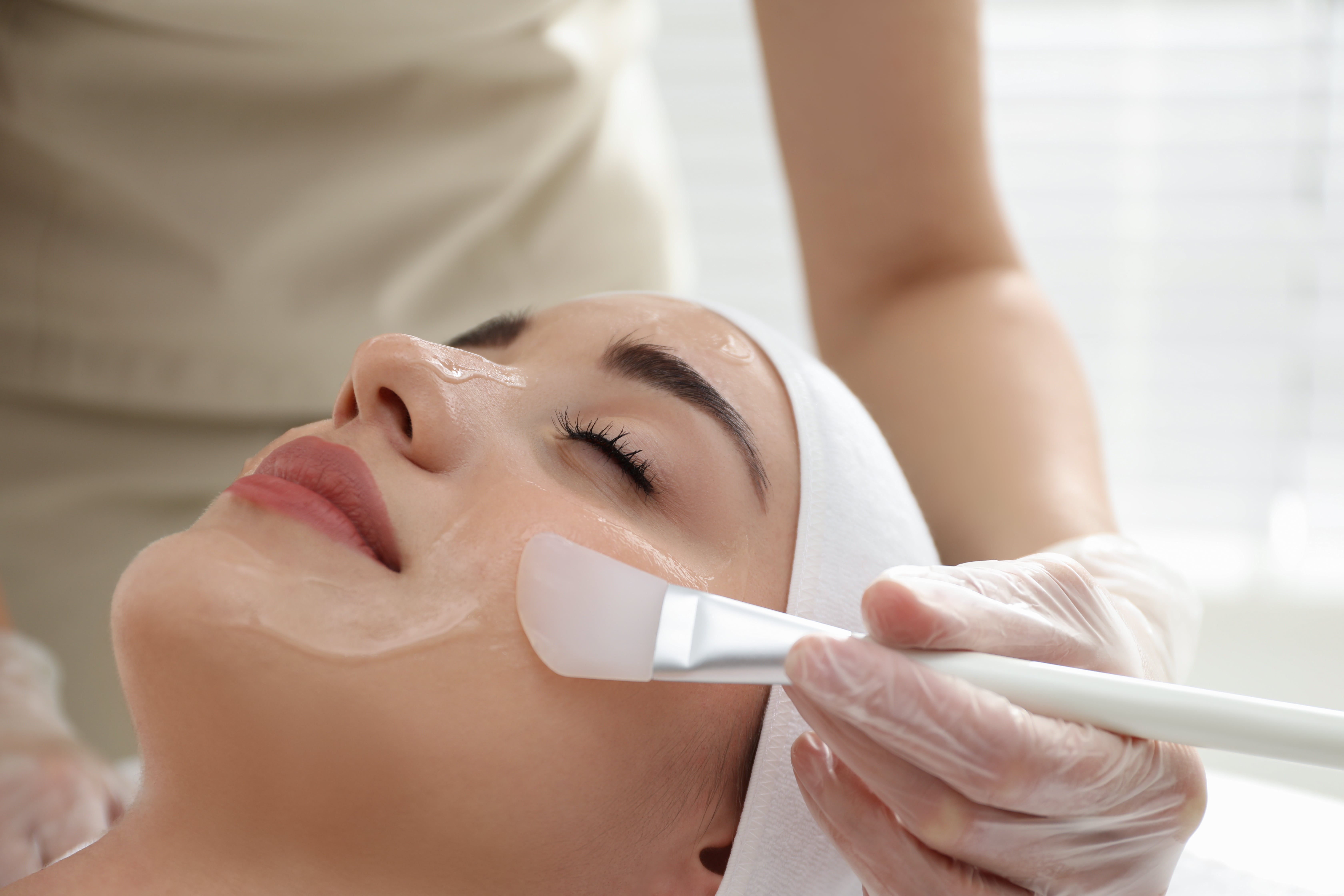
A Chemical Peel Treatments is a cosmetic procedure that applies a chemical solution to the outer layer of the skin to remove dead skin cells and encourage cellular turnover cycle. This process stimulates collagen production, improves skin texture, and reveals new skin cells, giving the skin a smoother and more radiant appearance. People often seek chemical peels for superficial concerns such as uneven skin tone, fine lines, post acne marks, enlarged pores, mild hyperpigmentation, or sun damage.
Different types of chemical peels exist, and each targets specific skin concerns and layers of the skin. Understanding the options can help you achieve optimal results.
A light peel or superficial peel uses milder acids like glycolic acid or salicylic acid to gently exfoliate the superficial layers of the skin. This peel treatment targets superficial skin concerns such as uneven skin tone, minor discoloration, and dry skin. Recovery is usually quick with minimal peeling skin, and skin heals within a few days.
Light chemical peels are ideal for people with sensitive skin, acne prone skin, or those looking to improve skin texture with one treatment. Repeated treatments are often recommended to maintain results, especially when aiming to treat fine lines and mild hyperpigmentation.
A medium peel penetrates the middle layer of the skin using stronger acids such as trichloroacetic acid. This type of peel addresses more pronounced skin concerns, including acne scars, post acne marks, fine lines and wrinkles, and sun damage. Peeling skin may be more noticeable than a light chemical peel, and full healing often takes one to two weeks.
A medium chemical peel is suitable for individuals with skin concerns that have not responded to superficial peels. During the initial consultation, a dermatologist may evaluate skin type, skin condition, and skin sensitivity to determine how many treatments are necessary to achieve desired results. Aftercare instructions and avoiding sun exposure are critical to maintain results and protect treated skin.
Deep chemical peels use powerful chemicals such as carbolic acid to reach the deeper layers of the skin. These peels are designed for serious medical dermatology concerns including deep wrinkles, deep scars, precancerous growths, and extensive sun damage. Significant peeling occurs, and the skin heals over several weeks.
Deep peels are often one treatment procedures that produce long-lasting results. Because of their intensity, deep peels require careful monitoring, neutralizing solution, and strict adherence to aftercare instructions. Deep chemical peels can dramatically improve skin tone, reduce deep wrinkles, and correct deep scars.
The duration of results depends on the type of peel, skin type, and adherence to aftercare instructions.
The longevity of chemical peels also depends on skin sensitivity, sun exposure, skin condition, and consistent use of sun protection. Following aftercare instructions ensures the treated area recovers properly and maintains results.
Sensitive skin may respond differently to chemical peels. People with darker skin color or high skin sensitivity are at higher risk for mild hyperpigmentation or irritation, which may impact how long results last.
The depth of the chemical peel affects longevity. Light chemical peels address superficial layers, while medium chemical peels reach the middle layer. Deep chemical peels penetrate deeper layers to correct more serious skin concerns.
Proper aftercare instructions such as avoiding sun exposure, following peel facial routines, and applying moisturizers help maintain results. Consistent use of sunscreen prevents new sun damage and prolongs the effect of chemical peel treatment.
Results are influenced by the cellular turnover cycle. As skin cells regenerate, some of the initial effects may diminish. Maintaining a skincare routine with gentle cleansing and moisturizing supports new skin cells growth and prolongs results.
After a chemical peel, the peel treatment area goes through specific healing stages:
To achieve optimal results, follow these tips:
Using Enhancing Beauty Services can help guide the right peel plan and ensure professional monitoring for the best outcomes.
A proper initial consultation ensures the right peel treatment is selected based on skin type, skin sensitivity, and desired results.
Understanding how long do chemical peels last requires knowledge of types of chemical peels, skin type, and careful adherence to aftercare instructions. Light peels provide quick refreshment for superficial concerns but require repeated treatments. Medium chemical peels address acne scars and uneven skin tone for several months. Deep chemical peels deliver long-term rejuvenation for deep wrinkles and significant peeling over treated areas.
Following aftercare instructions, protecting the skin from sun exposure, and supporting collagen production are essential to maintain results. With proper selection and care, chemical peel treatment can dramatically improve skin texture, skin tone, and overall appearance, providing smoother, healthier, and more radiant skin.

.png)